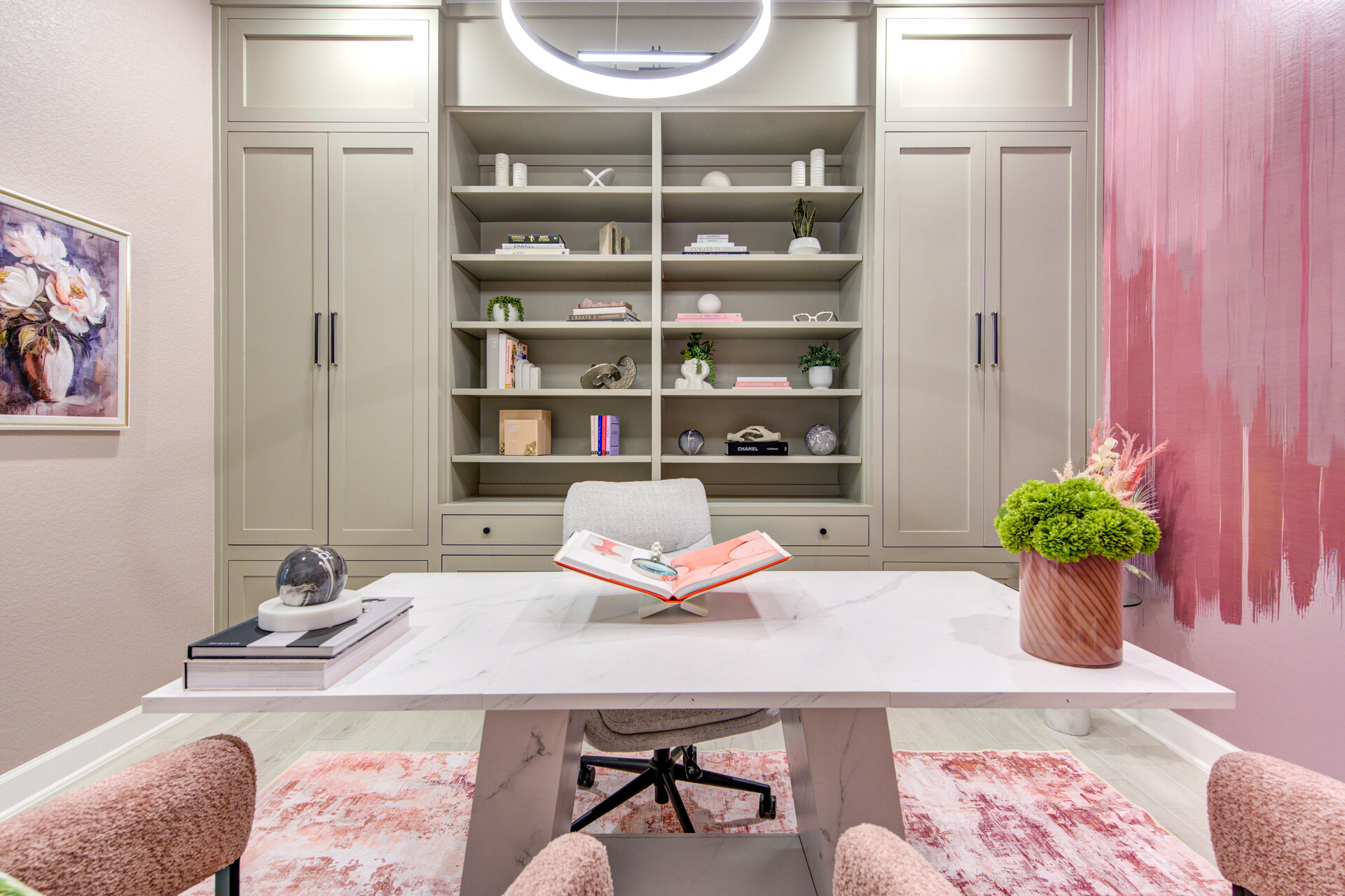
If there is one thing that separates a beautifully designed home from one that simply looks decorated, it is layering. Layering is the art of combining textures, tones, materials, and personal touches in a way that feels cohesive and intentional. It is what gives a space warmth, depth, and soul, that quiet sense of lived-in luxury you can feel the moment you walk in.
When done right, layering makes your home feel collected over time rather than thrown together in a weekend. It is about balance, knowing when to add, when to edit, and how to let each piece have its moment.
Start with the Foundation
Every well-layered space begins with a strong foundation. This is where your main elements, flooring, wall color, and large furniture pieces, set the tone.
If you think of your home like a wardrobe, these are your timeless staples. A neutral sofa, rich wood floors, or subtle wallcovering create a base you can build upon.
Once you have established those anchor pieces, you can start introducing character through the details.
I always tell clients that your foundation does not have to be boring to be versatile. A textured boucle sofa or a softly patterned rug can add depth without overwhelming the eye.
These subtle choices give your space that sense of quiet confidence.
Mix Textures with Intention
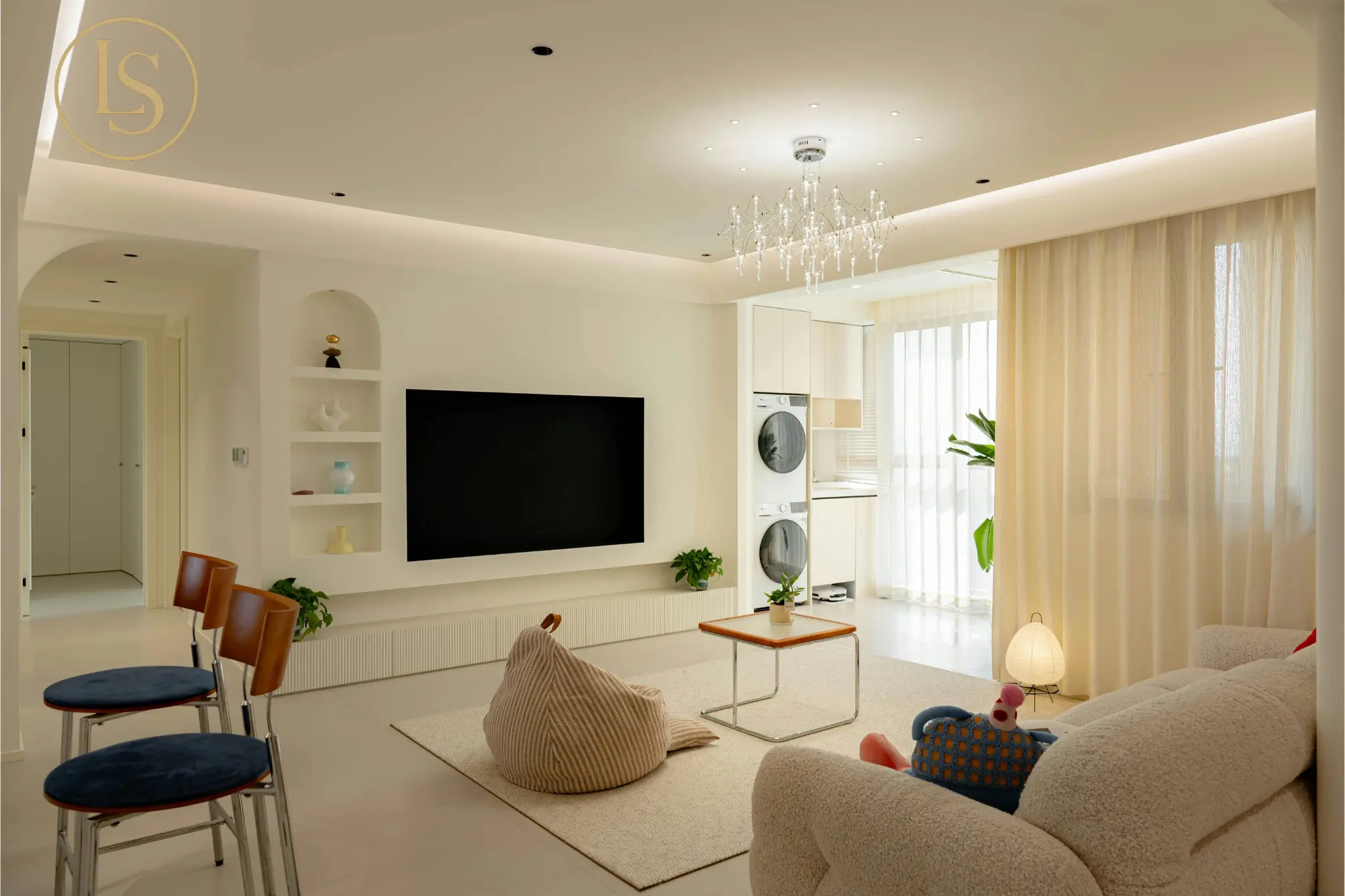
Texture is what keeps a neutral palette from falling flat. It is what makes you want to reach out and touch something.
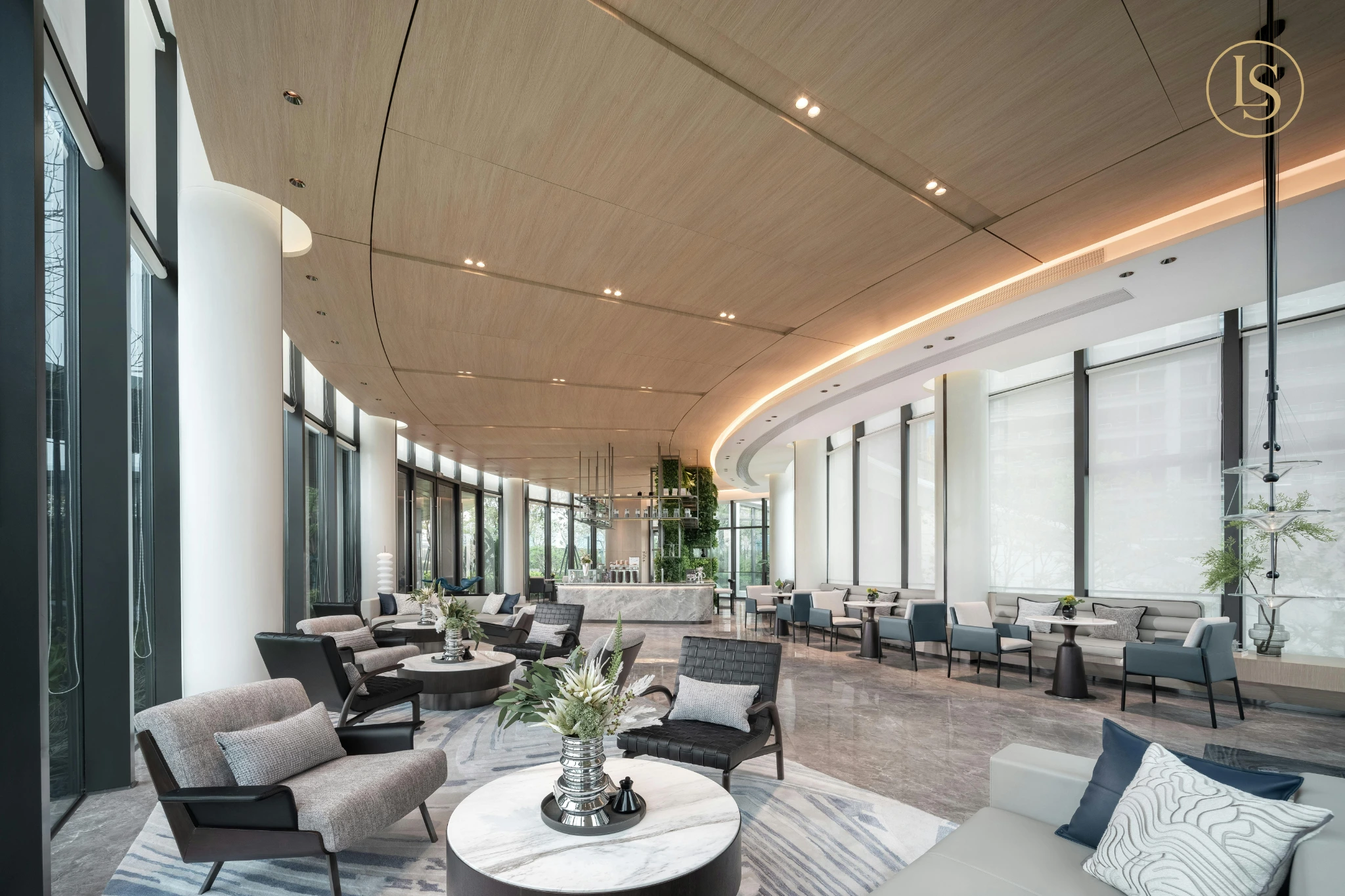
If everything in a room feels smooth, sleek, and polished, the space starts to feel sterile. But when you combine materials like linen, leather, wood, glass, and stone, the eye dances across the room, finding points of interest everywhere.
In one of my favorite projects, we paired a soft ivory sectional with matte black side tables, a marble coffee table, and woven accent chairs. The mix of cool and warm materials created visual depth, while the consistent color story tied it all together.
When layering textures, think in contrasts such as rough with refined, matte with glossy, and natural with structured. The goal is to create harmony, not competition.
Play with Pattern and Scale
Pattern brings personality and rhythm to a room, but it needs to be handled with care. Too many bold prints can feel chaotic, while too few can feel bland.
The trick is to vary the scale. If you have a large geometric rug, balance it with smaller-scale patterns in your pillows or drapery. Florals and stripes can coexist beautifully if one feels airy and the other grounded.
A well-layered space does not shout; it speaks softly in layers. I love using tone-on-tone patterns that add richness without demanding attention. It is the difference between a loud print and a whisper of detail.
Layer in Color Thoughtfully
Layering color does not mean using every shade in the fan deck. It is about creating depth through tonal variation, light, medium, and dark notes that make a space feel dynamic.
For example, in a soft neutral palette, you might start with creamy whites and taupes, then introduce richer accents like caramel, deep bronze, or charcoal. A space feels more natural when the colors flow in gradients rather than stark contrasts.
If you love color, layering gives you the perfect framework to use it well. Mix muted tones of the same family for sophistication, such as dusty blues, soft sages, or warm terracottas. Add bolder color through art or accessories, pieces you can switch out with the seasons.
The Power of Personal Pieces
No matter how luxurious the furniture, a room without soul feels unfinished. Layering is where your story comes in.
That might mean incorporating a sculptural vase you picked up on vacation or an heirloom chair reupholstered in a fresh fabric. These are the pieces that make your home unmistakably yours.
A truly collected space blends new and old, sleek and sentimental. When clients tell me they want their home to feel like them, I always say this is where you show up.
Think in Layers of Light
Lighting is one of the most overlooked layers in design, yet it has the power to transform a room instantly. You want at least three layers: ambient (overhead), task (for reading or work), and accent (to highlight artwork or architectural details).
A well-lit home feels dimensional and alive. During the day, natural light should bounce softly through the space. At night, your lamps and sconces should create a warm, inviting glow.
I often recommend clients use dimmers to adjust lighting based on the time of day or mood. Light should never feel harsh or flat; it should move, change, and enhance the space around it.
Add Greenery and Life
Plants are the finishing layer that bring energy and freshness to a room. Even in the most refined interiors, a touch of nature grounds the space and softens its edges.
A sculptural fiddle-leaf fig, trailing pothos, or even a simple orchid can transform a vignette. I love mixing planters with different materials such as ceramic, woven, or matte metal, to echo the textures already in the room.
Edit Like a Stylist
Here is where restraint comes in. The best-designed homes do not show everything at once.
After layering, take a step back. Remove one or two items from each surface. Let the eye rest. Negative space allows your pieces to breathe and gives the room its sense of calm.
When in doubt, I ask myself: does this piece add function, beauty, or meaning? If the answer is no, it probably does not belong.
The Result: Effortless Sophistication
When all these elements come together, texture, color, light, and personality, your home begins to tell a story. It feels intentional yet natural, curated yet comfortable.
That is the beauty of layering. It is less about perfection and more about evolution. A layered home does not happen overnight. It grows with you, collecting memories, experiences, and meaning along the way.
Whether you are styling your first apartment or refining your forever home, embrace the process. Add slowly. Edit thoughtfully. Trust your instincts.
Because in the end, layering is not just a design technique. It is how you build a home that feels like you.