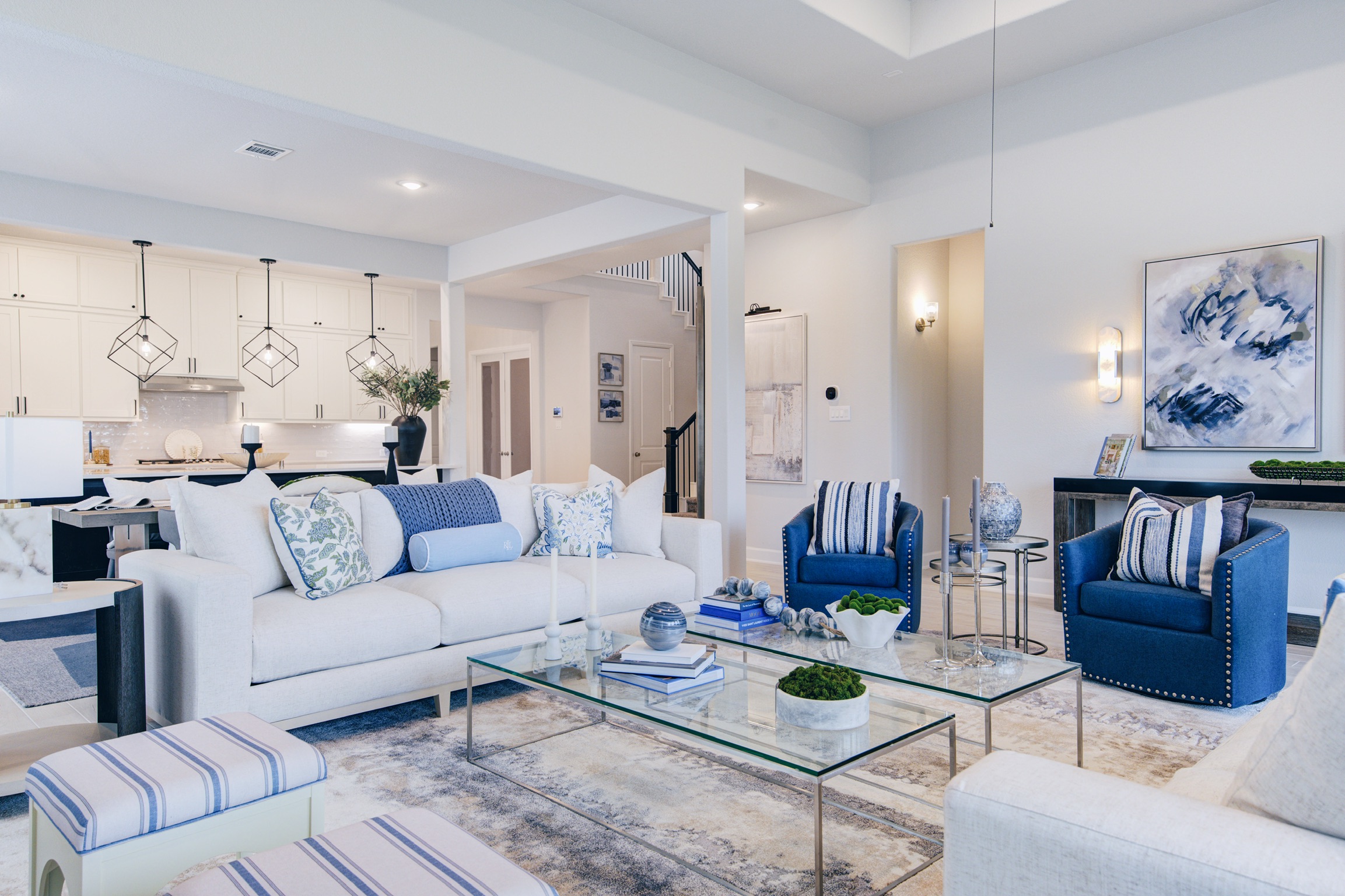
(by LUXbyLS Interior Spaces)
If there is one design element that can transform a space instantly, it is lighting. It is the difference between a room that feels flat and one that feels layered, warm, and alive. The best-designed homes do not just rely on beautiful furniture or color; they glow.
Lighting is what I like to call quiet luxury. It does not always demand attention, but when done right, it changes everything. The glow from a soft table lamp, the shadow play from a wall sconce, and the way light bounces off textured drapery are the subtle moments that make a home feel thoughtful, intentional, and luxurious without ever trying too hard.
Understanding the Layers of Light
Designers think in layers, and lighting is no exception. Every home needs a combination of ambient, task, and accent lighting to feel balanced.
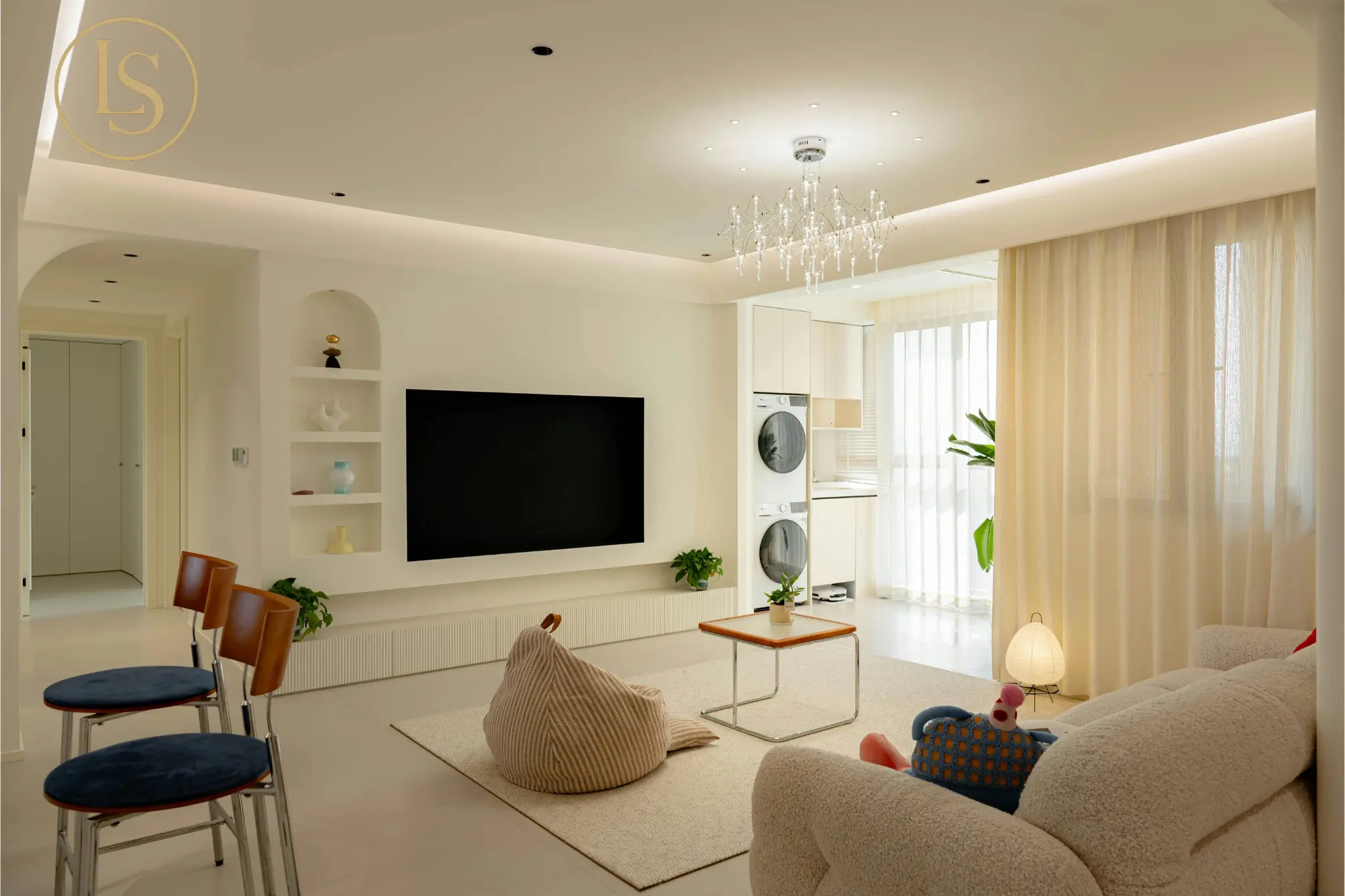
Ambient lighting is your foundation. It includes ceiling fixtures, recessed lighting, or architectural light that fills the room. It keeps the space functional, but on its own, it can feel flat or clinical. That is where the magic happens when you start layering.
Task lighting brings in purpose. It is the focused illumination over your kitchen island, your vanity, or your reading nook. These lights are not just practical; they also shape how you move and interact with your environment.
Accent lighting is the most emotional layer. This is where personality lives. Wall sconces that frame a mirror, a floor lamp that casts a warm glow on a velvet armchair, or a picture light highlighting a piece of art create moments that make a space feel lived in and curated.
When all three layers work together, the result is not just beautiful; it is cinematic.
The Mood Maker
Lighting dictates how a room feels before you have even taken in the furniture. Bright daylight makes a kitchen feel fresh and energized. A dimmed chandelier can turn an ordinary dinner into something intimate and memorable.
Every home has its rhythm, and lighting should follow that rhythm. Bright and welcoming in the morning, soft and ambient in the evening. I love using dimmers and smart lighting systems that allow my clients to shift the mood effortlessly throughout the day.
I often say that good design should work as hard as you do. Your lighting should not only look good but also respond to your lifestyle.
Fixture as Statement
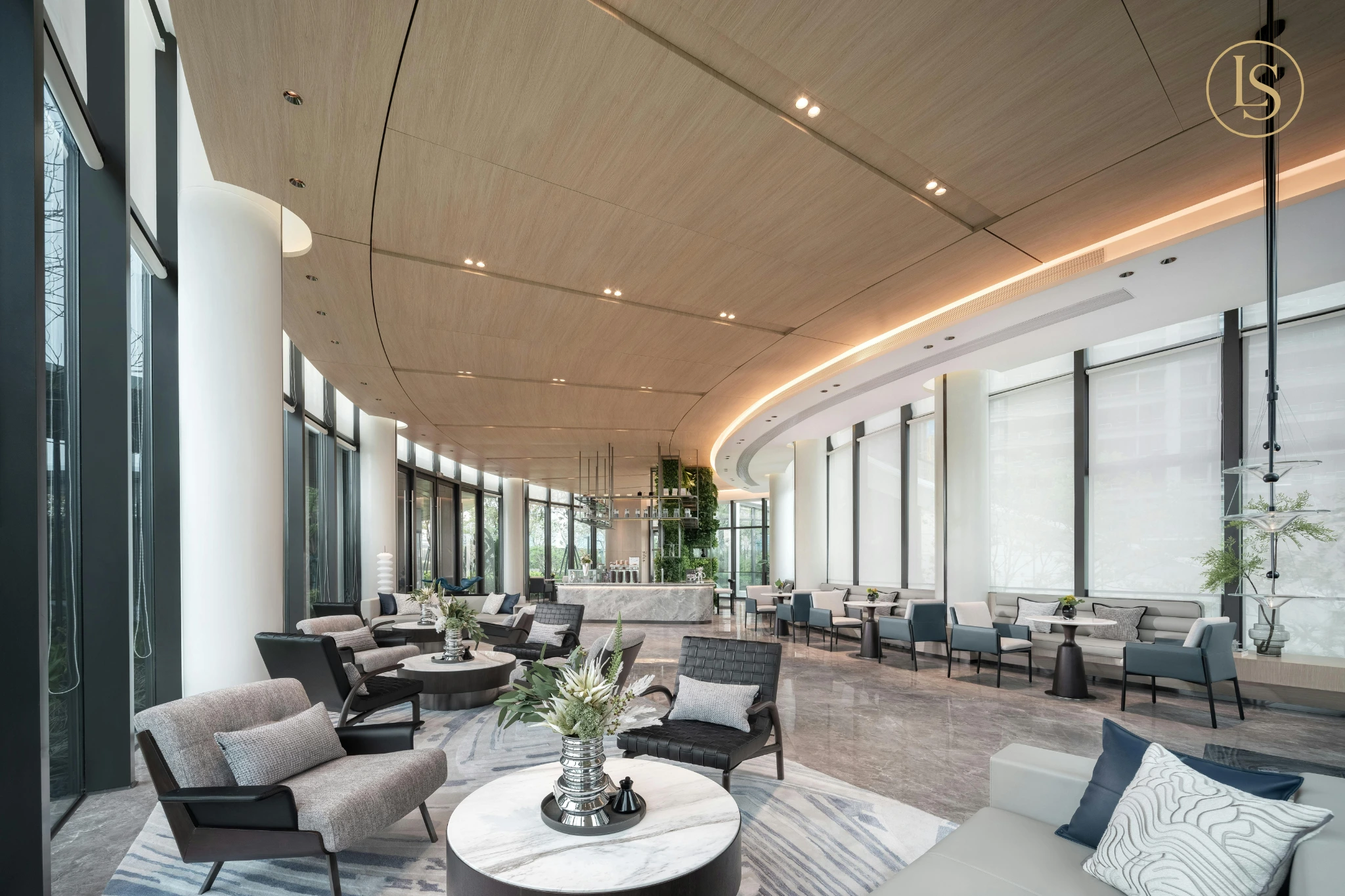
Gone are the days when lighting was just an afterthought. A chandelier or pendant can be the jewelry of a room, a sculptural piece that adds instant sophistication.
When selecting fixtures, I focus on proportion and personality. Oversized pendants can anchor an open-concept space, while a minimalist flush mount might give a small hallway quiet elegance.
For one of our recent projects, we selected a hand-blown glass chandelier that catches natural light during the day and radiates warmth at night. It became more than just a fixture; it became the centerpiece of the room's design story.
The right lighting fixture can define a space without overpowering it. It should complement the architecture, echo the palette, and add a layer of artistry that draws the eye upward.
How Color Temperature Changes Everything
One of the most overlooked aspects of lighting is color temperature.
The light in your space should flatter, not fight, your design. Warm light, around 2700K, creates a cozy, golden glow that enhances wood tones, fabrics, and skin tones. Cool light, around 4000K and above, works beautifully in workspaces or modern, minimalist interiors.
The real magic lies in balance. A warm tone in a bedroom creates calm, while a neutral tone in the kitchen keeps things clean and crisp. I always test light temperatures before finalizing a plan because lighting should enhance the design, not compete with it.
Do Not Forget the Shadows
Great lighting design is not just about brightness; it is about contrast. Shadows add dimension and drama.
Think about how candlelight dances across a wall or how sunlight filters through linen drapery. These quiet details create softness, movement, and emotion. A room that is evenly lit from every angle feels sterile. But a room that plays with shadow feels dynamic and layered.
That is why I always recommend lighting that creates pockets of glow, such as a corner lamp, a highlighted shelf, or a softly lit hallway. These touches guide the eye and make your space feel intentional.
Light as Texture
Light interacts with every material differently. It can turn a matte wall into velvet or make brass shimmer with warmth. When I am designing a room, I do not just think about what the light fixture looks like; I think about what it does to the materials around it.
For example, a linen shade diffuses light into a soft halo, while a glass pendant scatters it in every direction. The texture of your finishes—stone, plaster, metal, or wood—will determine how your space feels once the light hits it.
Lighting is what brings texture to life. It turns a still space into a sensory experience.
Invest Where It Matters
If you are renovating or decorating, lighting is one area worth investing in. It has one of the highest impact-to-cost ratios in design. You can change the feeling of an entire room without replacing a single piece of furniture simply by upgrading your lighting plan.
Choose fixtures that feel timeless but not predictable. Look for pieces that speak to your style, your home's architecture, and your daily rituals.
Good lighting is not just an accessory; it is an experience. It sets the tone for how you live, how you entertain, and how you rest.
The LUXbyLS Perspective
Lighting is emotion. It is the layer that makes your home come alive after the sun sets. It is the quiet luxury that you feel, not just see.
At LUXbyLS Interior Spaces, we approach lighting as both art and science. It is how we add that final touch of refinement that makes a room feel complete. From sculptural pendants to architectural sconces, every choice is guided by how the space should feel, not just how it should look.
So before you buy another throw pillow or new rug, look up. Adjust the light. Let it fall softly on your home and watch how everything changes.