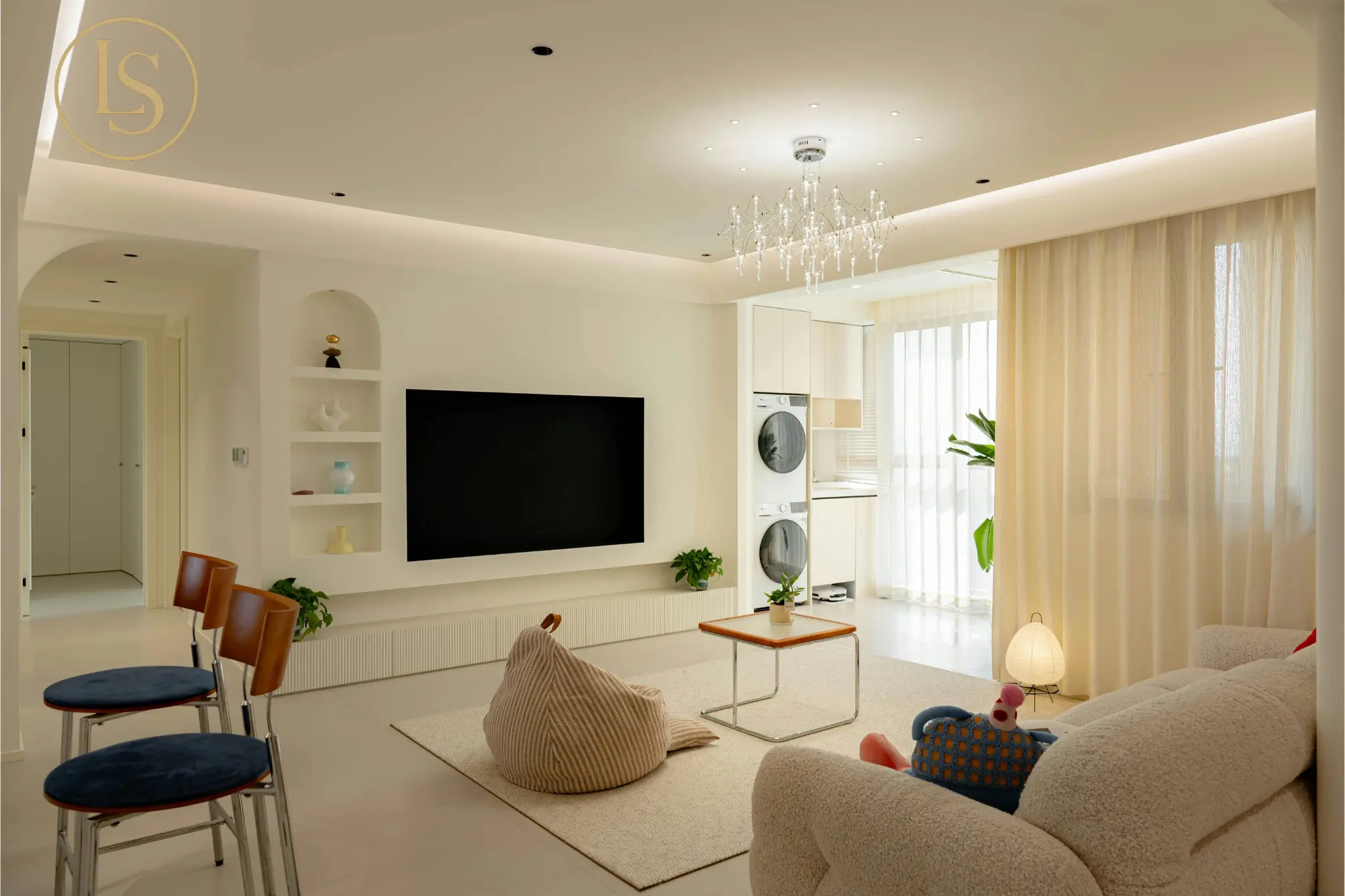
You stand in a beautifully lit showroom. The sofa looks immaculate — clean lines, gorgeous linen, not a wrinkle in sight. The price tag reads $8,500, and at that number, you assume you're buying something built to last a lifetime. You take it home. It's perfect for about fourteen months. Then the seat cushions start sagging. The frame makes a quiet creak when you sit down. The fabric begins pilling in the spot where you always sit after dinner.
You didn't buy investment furniture. You bought fast furniture in a very expensive costume.
This is more common than most people realize. And the reason it keeps happening is simple — most buyers judge furniture by how it looks and what it costs. Neither of those things tells you how it's built. The showroom is designed to make everything feel luxurious. Your living room, ten years into daily use, tells the truth.
Here's how to read that truth before you spend a dollar.
The Gap Between "Luxury Priced" and Genuinely Well-Made
There's a growing category of furniture that lives in a deceptive middle ground — priced like a luxury product, manufactured like a disposable one. Beautiful catalogs. Aspirational photography. Premium retail environments. And behind the upholstery, the same structural shortcuts you'd find in a flat-pack piece at a fraction of the price.
This isn't about shaming any particular brand. It's about knowing what to look for. Because price alone stopped being a reliable indicator of quality a long time ago. The real question isn't "how much does this cost?" It's "what's inside this thing that I'm going to sit on every single day for the next fifteen years?"
If a brand can't answer that question clearly and specifically — that silence tells you everything.
The Three Invisible Markers of a Sofa Built to Last Decades
The difference between a sofa that holds up for three years and one that holds up for thirty comes down to three things you'll never see once the piece is upholstered. All three are invisible. All three are non-negotiable.
The Frame — What's Holding Everything Together
Fast furniture uses frames made from stapled plywood, particleboard, or engineered wood composites. These materials are cheap to source, fast to assemble, and structurally unreliable under the repeated stress of daily sitting. They warp in humidity. They crack under shifting weight. They're the reason a sofa starts creaking at year two.
Investment-grade frames are built from kiln-dried hardwood — maple, oak, ash, or beech — typically at least an inch and a quarter thick. Kiln-drying extracts the moisture from the wood before construction, which means the frame won't expand, contract, twist, or split as your home's temperature and humidity change with the seasons. The joints are double-doweled, glued, and reinforced with corner blocks that are screwed — not stapled — into place.
You'll never see the frame once the sofa is finished. But you'll feel the difference every time you sit down for the next twenty years.
The Suspension — What Holds You Up
This is where the most significant cost-cutting happens in mass-market furniture, and it's the primary reason sofas sag.
The fast-furniture approach uses sinuous wire — S-shaped metal strips that zig-zag across the frame. They're inexpensive, fast to install, and adequate for about two to three years of regular use before they begin to stretch and lose tension. The seat starts dipping. You find yourself sinking lower every month. Eventually you're sitting on the frame itself with a thin layer of foam between you and the wood.
The trade standard is 8-way hand-tied coil springs. This is a labor-intensive process where individual steel coils are tied to each other and to the frame using high-tensile twine in eight separate directions. The result is a suspension system that distributes your weight evenly across the entire seating surface, so no single point bears more stress than any other. It doesn't sag because there's no weak link. It's the reason a well-built sofa from the 1960s can still feel perfectly supportive today.
The Cushion Core — What Determines Comfort Over Time
In a showroom, every cushion feels wonderful. That's by design. The question is whether it still feels that way after twelve months of nightly use.
Low-density polyester-filled cushions are the fast-furniture standard. They're soft on day one and flat by month eight. The cellular structure of cheap foam simply collapses under repeated compression — it doesn't have the resilience to recover its original shape.
What you want is a high-resiliency foam core with a minimum density of 2.5 pounds per cubic foot, wrapped in a channel-stitched envelope of down and feathers. The foam provides structural memory — it pushes back and returns to shape after you stand up. The down wrap provides the soft, welcoming feel on the surface. Together, they create a cushion that is genuinely comfortable on day one and still genuinely comfortable on year ten.
The Fabric Truth: Why Rub Counts Matter More Than How It Feels in Your Hand
Fabric selection is where emotion tends to override engineering. A textile that feels beautiful between your fingers might disintegrate under real-life conditions within a year. The metric professionals use to evaluate fabric durability is the Wyzenbeek double rub count — an industry-standard abrasion test that measures how many times a machine can rub the fabric back and forth before the fibers break down.
Most consumers have never heard of this number. Every trade-level designer checks it before specifying a single yard.
Here's what the numbers actually mean:
| Fabric Grade | Typical Materials | Rub Count | Best For | Avoid For |
|---|---|---|---|---|
| Elite Performance | Solution-dyed acrylic (Perennials, Crypton) | 100,000+ | High-traffic living rooms, families with kids and pets | Formal accent pieces where softness matters more |
| Luxury Residential | Heavy Belgian linen, mohair velvet, alpaca blends | 30,000 – 50,000 | Primary seating, media rooms, bedrooms | Extreme high-spill or heavy pet zones |
| Light Decorative | Silk, fine cotton blends | 9,000 – 15,000 | Formal chairs, drapery accents, low-use pieces | Main family sofas, breakfast nook seating |
| Fast-Furniture Standard | Low-grade polyester blends | Under 15,000 | Temporary staging or short-term rentals | Any home where you plan to live for more than two years |
If you're investing in a sofa your family will use every day, you want fabric rated at 30,000 rubs minimum. Anything below that is built for photographs, not for life.
Beyond Upholstery — How to Judge Wooden Furniture in Ten Seconds
Tables, credenzas, dressers, and nightstands deserve the same scrutiny as your sofa — but the diagnostic is faster. Three checks tell you nearly everything you need to know.
The drawer test. Pull open a drawer and look at the corner joints. If the pieces are stapled or glued flat against each other, the construction is basic and the joints will loosen over time. What you want is dovetail joinery — interlocking, finger-like cuts where the two pieces of wood physically lock into each other. Dovetailing is a self-reinforcing joint that holds structurally even if the glue eventually weakens. It's the hallmark of furniture built by people who assumed it would still be standing in fifty years.
The back panel. Turn the piece around. If the back is a thin sheet of compressed cardboard or particleboard tacked on with brads, the manufacturer cut costs where they assumed you wouldn't look. Quality case goods have solid wood or thick veneer back panels that are properly fitted — not stapled.
The weight. Pick up a corner of the piece or try to shift it. Real hardwood furniture has significant heft because dense wood species are inherently heavy. If a large dining table or credenza feels surprisingly light and hollow, the interior structure is likely honeycombed filler or paper-core construction wrapped in a decorative shell.
What Investment Furniture Actually Feels Like to Live With
The difference between fast furniture and investment furniture isn't something you notice in a showroom photograph. It's something you feel in the accumulated moments of daily life.
It's the sofa that still holds its shape when four guests sit down three years after you bought it. The dining table that develops a warm patina from Sunday dinners instead of scratches that expose particleboard underneath. The armchair you instinctively walk toward every evening because the cushion still knows your posture.
Investment furniture becomes part of how your home feels — not just how it looks. It ages alongside your life instead of declining against it. And perhaps most importantly, it's the kind of furniture you never have to replace. You simply reupholster it when you want a change, because the frame underneath is still as sound as the day it was built.
That's what "buy it once" actually means.
Why Sourcing Through a Designer Protects More Than Your Taste
The world's most durable, beautifully engineered furniture often doesn't exist in retail showrooms. It doesn't have consumer websites or Instagram ads. It's manufactured by trade-only workshops that sell exclusively through registered design firms — because their production model is built around customization, not volume.
When you source furniture through a designer, you gain access to this invisible market. But access is only part of the value. A designer verifies the textile chemistry before it's ordered. They customize cushion density to your body and your lifestyle. They manage global freight logistics, inspect every piece on arrival, and coordinate white-glove installation so the first time you see the furniture in your home, it's exactly where it belongs.
When you buy retail and something goes wrong, you navigate a customer service queue. When a designer manages procurement, you make a phone call and the problem disappears. That's not a luxury — it's asset protection on a significant household investment.
Learn how procurement fits into the full-service design process — it's one of the phases most clients don't realize exists until they experience it.
The Furniture Longevity Checklist
Before you commit to any significant furniture purchase, run through these four checks. You can do them in a showroom, and you can ask these questions of any sales associate or brand representative. The answers will tell you everything.
Check 1: Ask for the frame material. You want kiln-dried hardwood. If they say "engineered wood" or can't specify, walk away.
Check 2: Ask about the seat suspension. You want 8-way hand-tied coil springs for any primary seating piece. Sinuous wire is acceptable only for occasional-use accent chairs.
Check 3: Request the fabric's Wyzenbeek rub count. For everyday family furniture, you want 30,000 or above. If the sales team doesn't know the number, the manufacturer didn't prioritize durability.
Check 4: Open a drawer and inspect the joinery. You want dovetail joints. If you see staples or butt joints held together with glue, the craftsmanship doesn't match the price.
Buy It Right, Buy It Once
Investing in your home has never been about paying the highest price for a recognizable brand name. It's about demanding structural integrity, honest engineering, and textiles that gracefully survive the way you actually live — not just the way a showroom is styled.
The best furniture doesn't announce itself. It simply works, beautifully and reliably, for decades. It becomes the sofa your family gathers on every evening. The table where birthdays are celebrated. The chair that fits you so perfectly you stop noticing it — which is the highest compliment a piece of furniture can earn.
Your home deserves pieces designed for your lifetime, not for a trend cycle. If you're ready to invest in furniture that lasts, let's talk.
Frequently Asked Questions
Why is kiln-dried wood so critical for furniture frames?
Wood naturally contains moisture. When that moisture meets the fluctuating temperature and humidity inside a home — especially in climates like Houston where air conditioning runs constantly — untreated wood expands, contracts, warps, and eventually cracks. Kiln-drying removes the internal moisture before the frame is built, creating a stable substrate that won't shift or degrade over time. It's the difference between a frame that stays square for thirty years and one that starts creaking after two.
Can furniture with sinuous springs ever be considered investment quality?
In limited cases, yes — but only for low-use pieces. A sleek mid-century accent chair that holds decorative weight in a bedroom or reading nook can work perfectly well with sinuous springs because it isn't absorbing daily, full-body sitting stress. But for your primary living room sofa — the piece your entire family sits on every evening — sinuous springs will always be a compromise. The physics of weight distribution simply don't support long-term daily use without sagging.
What is the difference between cheap retail veneers and high-end trade veneers?
Cheap veneers are essentially printed images of wood grain laminated onto particleboard or MDF. They're thin, fragile, and impossible to repair when they chip or peel. High-end architectural veneers are real wood — sliced from actual timber in controlled thicknesses and bonded to solid substrates. They can be sanded, refinished, and repaired just like solid wood. Both are technically "veneers," but the similarity ends at the name.
How long should an investment-grade sofa realistically last?
With proper construction — kiln-dried hardwood frame, 8-way hand-tied springs, high-resiliency foam core — a well-built sofa should last twenty to thirty years or more. The beauty of investment construction is that when the fabric eventually wears (as all fabric does), you simply reupholster the existing frame. The bones remain sound. You get an entirely new-looking sofa for a fraction of the cost of replacing it, because the structure underneath was built to outlast multiple lifetimes of fabric.